The spinning world of french roundabouts entwined with google governance can definitely lead you astray. In the 45 kilometre journey south through the Var region, our trusty rusty Citroën was reduced to a snail’s pace as we followed directions through at least 44 rond points connecting highways and bumpy country lanes in pursuit of a ‘helicopter’ farm. Or as the French would rightly call it, ‘hélicicole’, a snail farm. It was worth every anxious deliberation, when the worse that could happen would have been to end up in Nice, pas de problème!
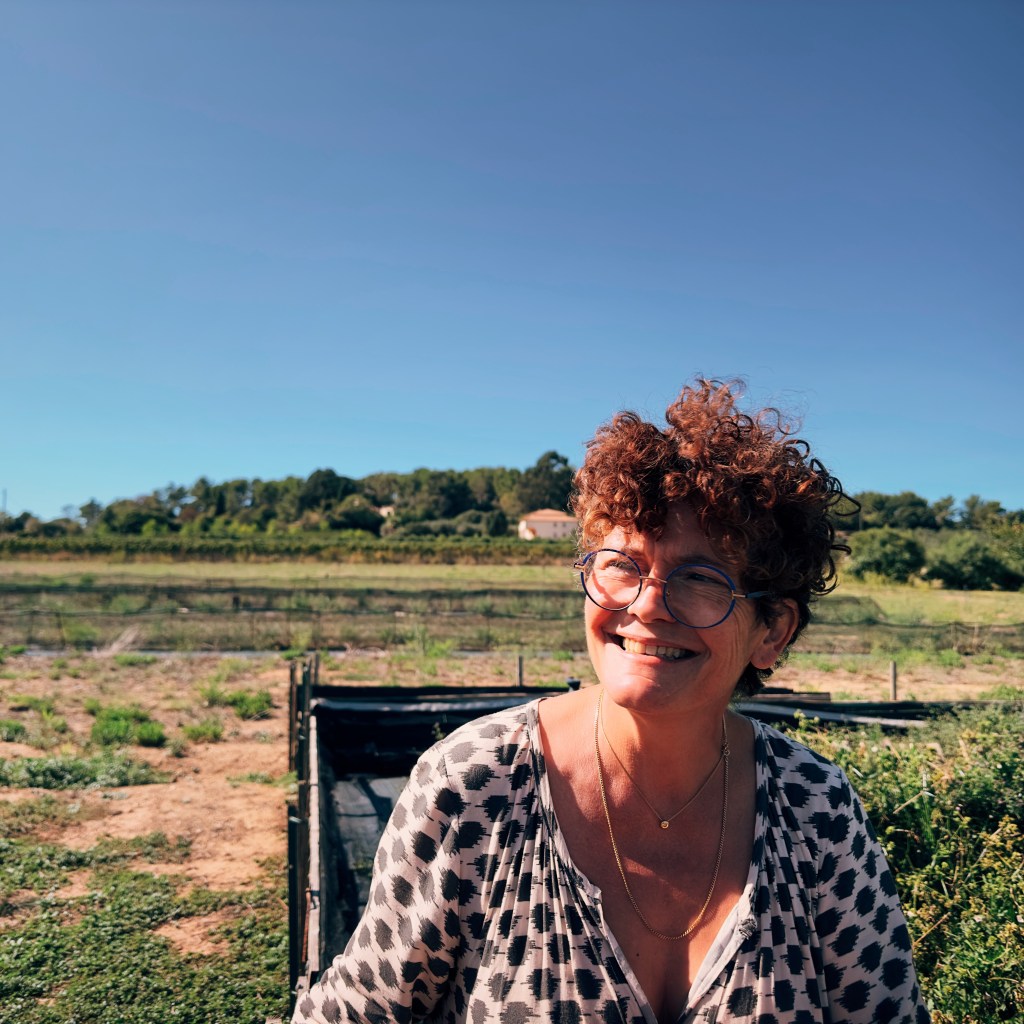
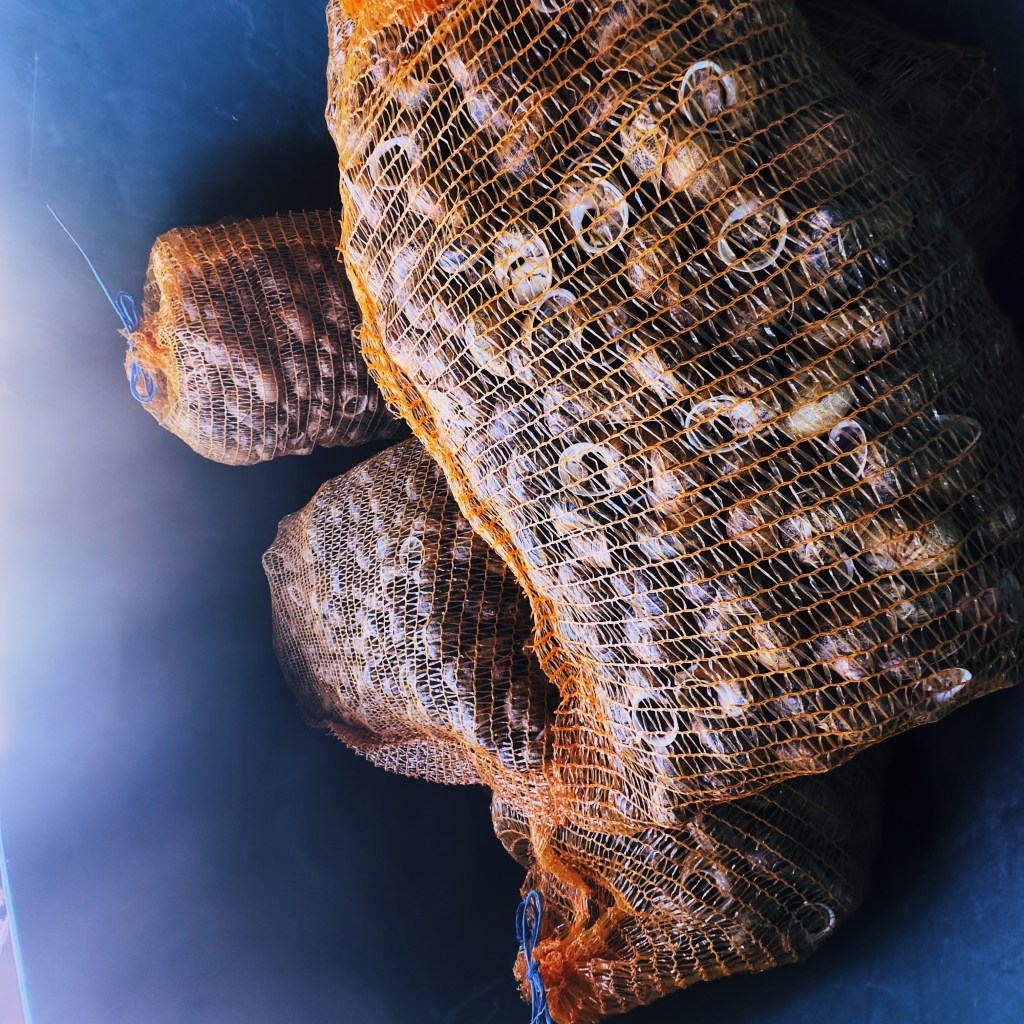
Christine Wattelier was an optician in a previous life, and her vision, along with a rich sense of humour, makes her now a very successful snail farmer. One of 340 hélicicultrice in France, her property is a short distance from the ocean where visiting cruise liners and the French navy dominate the famous coastline. Remnants of her parent’s life in horticulture blossom in the organic snail beds, now almost empty much to Christine’s dismay and relief. She would have like to show how big and healthy the snails were – all 200,000 of them – but has just finished processing 80 kilos, the last of her 1.5 tonne harvest. The quantity seems unimaginable until you see – and smell – the shells, all waiting to be cleaned.
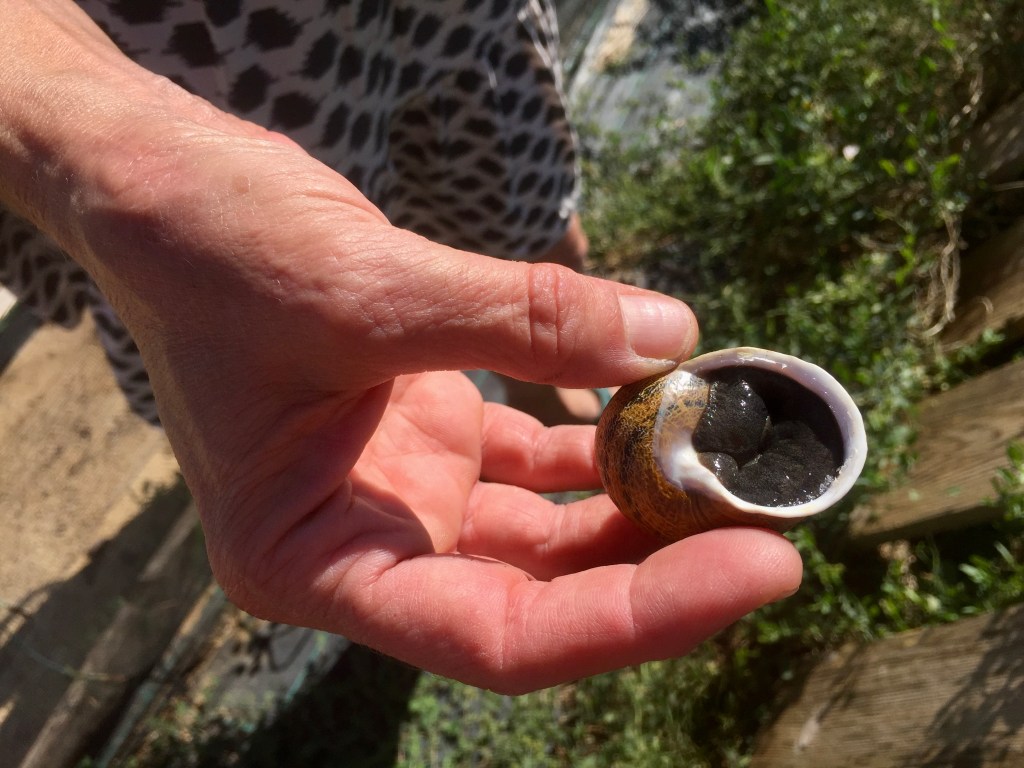
‘The snail transformation is where we make a living’, says Christine, these creatures pass through her hands seven times from beginning to end. That’s a lot of work. February to May is the growing season, any later and they run the risk of hot weather (as happened 2 years ago when 90% of the population was decimated). During this time they have the protection of Dali, the surrealist scarecrow, and the native plants grown during the 6 months ‘crawl space’ when the soil rested. The snails are then collected and placed in a 5/6*C cool room, where they go into hibernation, fasting for 7 days before being shelled. The meat is processed – only the ‘feet’ that is – the shells are cleaned, the meat cooked using various recipes with oil rather than butter, and the shells refilled. The whole process is strictly controlled, hygienically and humanely, one foot to one shell.
In all my years of telling stories, I have never encountered a culture of food I knew so little about. But despite being filtered through google, Christine’s pride for her snails was evident (even seeking out a wayward surviver in the garden beds to tickle & reveal how it breathes) as was my recognition of her commitment. She is a farmer, breeder, cook and merchant, and in the summer runs snail & wine evenings as well. The craziness of the work does not escape her. ‘I have to remove the snails to cook them, clean their shells and then put them back in the shell – it’s an upside down world!’




 TheFitzyreport
That was very interesting Gabrielle, my wife Pat heard you talking to Rod Quinn on the same subject on his program during the night.
Thank you Neil – and to Pat for tuning in during the night. The snail world is definitely new to me, apart from my gardening exploits, where they are the enemy rather than a delicacy. So this was a whole new experience…
So interesting thanks
really enjoying having you back
That is lovely of you to say Kerry – I am really happy to be able to share my stories again, and even if I only talk on the radio now and then, I will continue to post. So if you have any special requests to explore in this part of the world, please let me know!