
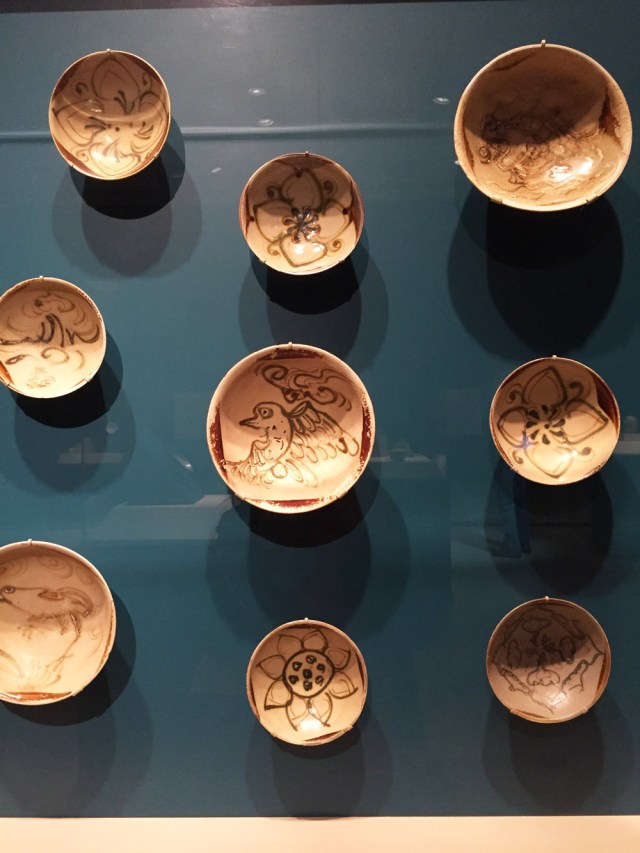
There is nothing like an old wreck to make you feel young again. Especially when the secrets of that wreck take you back to the fairy stories of your childhood. This story begins, as told by the docents at the Asia Society, during the golden age of Chinese civilization over a thousand years ago. That was when emperors and caliphs ruled the world, and when ships, stitched together with meticulous perfection, sailed back and forth between their kingdoms, exchanging ceramics, spices, mirrors and gold. It was a time when sailors lived on deck buffeted by the waves and the weather, when Buddhists and Muslims shared a love of blue and white ceramics, and when the skill of packing these delicate crocks was so magical that not even sitting on the ocean floor for hundreds of years could break them.
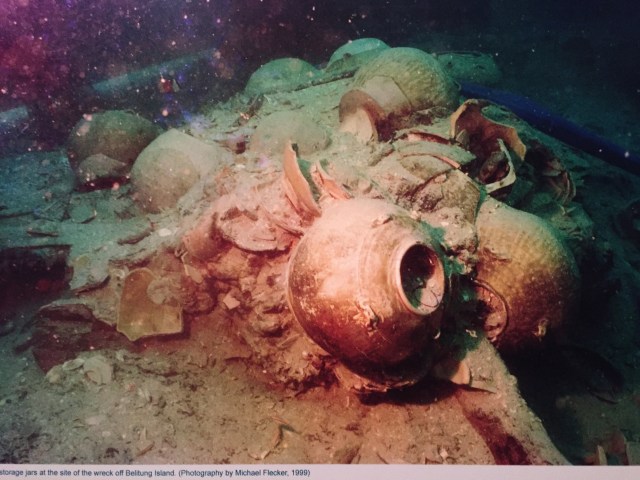
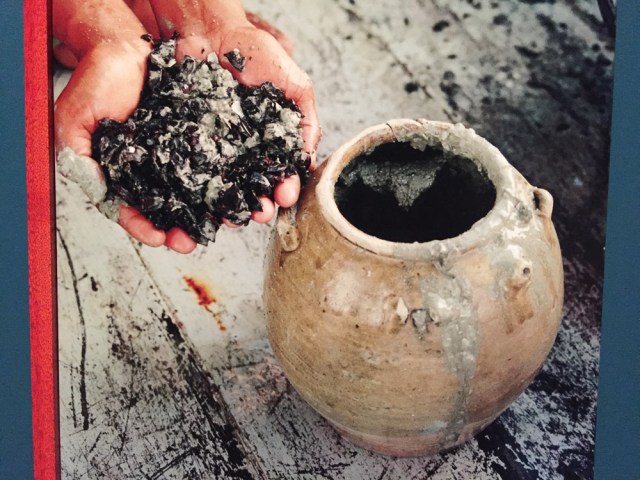
The fiction that world trade in the first millennium was exclusively by land, was blown out of the water when fishermen diving in shallow Indonesian waters recently found the remains of a ship from the ninth century. It was not so much a wreck as a treasure trove. Much of the cargo was intact, including an impossibly fragile long necked ewer, fish bowls that looked strangely familiar, and an urn packed with once fragrant star anise. All that was missing was the crew. But hey, this was a tropical island with waving palm trees and soft white sand. Much softer than a wooden deck. So for whatever reason the cargo went down with the ship many centuries ago, the crew probably swam ashore, invented nasi goreng, and lived happily ever after…














































 TheFitzyreport